Dog Carrier Backpack Shipping Costs: A Line-by-Line Breakdown
Pet carrier OEM and ODM work on dog carrier backpack platforms splits at the pattern - OEM builds to your drawing, ODM adapts an existing platform and removes the tooling cost.
The Four Cost Blocks in Every Shipment
Landed freight is not one number. It is four: origin charges, main carriage, destination charges and inland delivery to the final address. Treating them separately matters because different parties control each block, and under most Incoterms rules the buyer controls three of the four.
Origin charges cover inland haulage from the production base to the port, export documentation, terminal handling and any customs examination at origin. Main carriage is the ocean or air leg. Destination charges cover terminal handling at arrival, customs clearance fees and any examination. Inland delivery covers drayage to the warehouse.
- Origin charges sit inside a seller-side price under most sea rules
- Main carriage is the largest single line and the most volatile
- Destination charges are frequently omitted from initial estimates
- Inland delivery varies widely with distance from the arrival port
- Each block has a different controlling party and a different volatility
Volatility is the planning issue. Main carriage rates move with capacity and season, while origin and destination charges move with local tariffs and are comparatively stable. A freight budget should therefore hold the stable blocks as fixed figures and treat main carriage as a range.
Our production team quotes the inland and origin elements as fixed figures because they are known, and gives main carriage as a range with a planning figure. That approach prevents the common error of budgeting the best case and discovering the peak-season rate after the goods are built.
The fourth block is where surprises concentrate. Destination charges are billed by the buyer s own agent in the destination country and rarely appear in an origin-side quotation, so a budget built only from the seller s quotation will be incomplete by design rather than by omission.
Insurance is a small line that behaves differently again. It is usually calculated as a percentage of the invoice value plus a stated margin, so it scales with the goods rather than with the cube. Our production team includes it in the worksheet as a separate line so it is not confused with the carriage charges when a shipment is reconciled, and so a claim can be filed against the correct declared value. Cover should be arranged from the point risk transfers under the chosen trade term, not from the point the goods leave the production base.
Volumetric Weight: The Number That Sets the Price
Freight is charged on the greater of actual weight and volumetric weight. Volumetric weight converts cube into a notional weight using a dimensional factor, and for lightweight bulky goods such as pet carriers the volumetric figure is almost always the higher one. That single fact drives every packaging decision in this category.
A carrier weighing 900 g and occupying 45 litres will be charged on roughly 45 kilograms of volumetric weight under a common air factor, which is fifty times its actual mass. Reducing the packed cube by ten percent reduces the chargeable weight by the same proportion, and therefore reduces cost by the same proportion.
- Chargeable weight is the greater of actual and volumetric weight
- Pet carriers are volumetric cargo, so cube sets the price
- A ten percent cube reduction is a ten percent freight reduction
- The dimensional factor differs between air, sea and courier modes
- Compressing the product for shipment is the cheapest cube reduction
Compression is the lever with the largest effect. A carrier with a removable base board can be packed with the board flat and the shell folded, which can cut packed height substantially. The trade-off is assembly time at the destination warehouse and the risk of creasing the face fabric in transit.
Our production team evaluates compression on a sample before proposing it, because the cube saving is worthless if the fabric creases permanently. Where compression is not viable, the alternative is a pack-out that nests units inside one another rather than placing them side by side.
Air carriage introduces its own rules and dimensional factors, documented by the International Air Transport Association. Our production team applies the air factor separately from the sea factor, since the two produce very different chargeable weights for the same carton.
The consequence for budgeting is that a shipment s cost cannot be compared across modes without recomputing the chargeable quantity. A carton that looks cheap by sea can be expensive by air purely because the dimensional factor differs, and the same carton can price differently again under a courier tariff. Our production team states the factor used on every quotation so the comparison is made on the correct basis, and rechecks the factor when a carrier or mode changes, since tariffs are revised and an outdated factor produces a quietly wrong budget.

Carton Engineering to Reduce Cube
Carton dimensions are a design decision with a direct cost consequence. A carton built around the product s nominal size will be larger than necessary, because it ignores the compressibility of the panels and the void between units. Setting the carton to a container-efficient module is the cheapest freight reduction available.
The method is to work backwards from the container. A standard container has fixed internal dimensions, so a carton that divides evenly into those dimensions leaves less unusable space than one that does not. A carton sized to a module commonly yields several percent more units per container than one sized to the product.
- Set carton dimensions to a container module rather than to the product size
- Test compressibility on a sample before reducing carton height
- Nest units where geometry allows rather than placing them side by side
- Remove void fill by matching carton volume to packed contents
- Confirm board grade still protects the product at the reduced cube
Protection cannot be traded away. A thinner board or a tighter pack that produces transit damage generates claims that cost far more than the freight saved. Our production team pairs every cube reduction with a drop and compression check on the packed carton.
The other consequence is per-unit handling cost at the destination. A carton holding more units reduces the number of parcels a warehouse must receive and may reduce per-carton fees, so the optimum is not always the smallest carton but the one with the lowest combined freight and handling cost.
Carton board grade belongs in the same calculation. A lighter board reduces chargeable weight marginally but risks crushing in a stacked container, and crushed cartons produce both damage claims and a repacking cost at the destination. Our production team specifies board grade alongside dimensions rather than leaving it to the carton supplier, because a carton is a structural component of the shipment and not merely a container for the product. Where a brand ships to a warehouse that stacks cartons several metres high, the compression strength of the board over a long storage period matters as much as its behaviour in transit.
FCL Versus LCL: Finding the Break-Even
Below a certain volume, a shipment travels as less than container load, sharing space with other cargo. LCL avoids paying for unused container space but carries a per-cubic-metre rate and consolidation charges that make it expensive per unit at higher volumes. Above the break-even, a full container is cheaper.
The break-even is not a fixed quantity; it depends on the freight rate, the LCL rate structure and the destination charges attached to each mode. The reliable method is to price both and compare landed cost per unit rather than to apply a rule of thumb.
| Mode | How cost is calculated | Fixed charges | Typical best range |
|---|---|---|---|
| LCL | Rate per cubic metre with a minimum | Consolidation and deconsolidation fees | Small shipments and first orders |
| 20 ft FCL | Fixed rate per container | Terminal handling at both ends | Mid-volume replenishment |
| 40 ft FCL | Fixed rate per container, larger capacity | Same as 20 ft, slightly higher | Large seasonal build |
| 40 ft high cube | Fixed rate, extra internal height | Same as 40 ft | Volumetric cargo such as carriers |
| Air freight | Chargeable weight in kilograms | Handling and security charges | Samples and urgent replenishment |
| Courier | Chargeable weight, door to door | Minimal, usually included | Samples only |
For volumetric cargo the high-cube container is frequently the right choice, because the extra internal height is exactly the dimension pet carriers consume. A shipment that cubes out of a standard container before it weighs out will often fit the same unit count more cheaply in a high-cube box.
Our production team quotes both the container count and the LCL cube for a given order quantity so the brand can see which side of the break-even it sits on. Where an order falls just below a full container, we flag the marginal cost of the remaining space, which is usually small compared with the per-unit LCL premium.
Transit time also differs between the two modes. LCL shipments wait for consolidation and are deconsolidated at arrival, which adds days at each end compared with a full container moved directly. Where a delivery window is tight, that difference can matter more than the rate, particularly in a season where a week of delay removes a month of selling.

Container Loading and Units per Container
Units per container is the number that converts a freight rate into a per-unit cost, and it is determined by the loading plan. A plan that leaves an unusable gap at the container door or stacks cartons in an unstable arrangement loses capacity that has already been paid for.
Two loading methods are available. Floor loading places cartons directly on the container floor and uses the full internal width, giving the highest unit count. Palletised loading speeds handling at the destination but consumes volume in the pallet base and in the clearance around each pallet.
- Floor loading maximises units per container and suits single-destination orders
- Palletised loading speeds destination handling at a cube penalty
- Carton orientation should be fixed in the loading plan, not left to the loader
- Weight distribution must keep the container within axle limits
- The loading plan should be issued before booking so the container type is correct
Orientation matters more than it appears. Cartons loaded in one orientation may allow an extra layer, and a plan that specifies orientation prevents a loader from choosing a faster arrangement that wastes space. Our production team states the loading pattern on the packing specification.
The container type should be confirmed before booking rather than after. Because pet carriers cube out rather than weigh out, choosing the wrong container type is a capacity error rather than a weight error, and it is discovered at loading when changing the booking is expensive.
Our production team calculates the loading plan from the carton dimensions and states the resulting units per container on the quotation, so a forwarder quote can be divided by a known number rather than by an estimate.
Stowage also affects damage. A container loaded with heavy cartons on top of light ones will crush the lower layers, and pet carriers are light enough that almost anything placed above them is heavier. Our production team states the stacking rule in the loading plan so the container is stowed by weight as well as by space, and notes the maximum stack height where carton strength limits it, so a container is never stowed beyond what the board can carry through a long voyage.
Air Freight and Courier for Samples and Replenishment
Air freight is priced per kilogram of chargeable weight and is viable for two situations: samples that must move quickly, and replenishment of a fast-selling item where the stockout cost exceeds the freight premium. It is not viable for a normal seasonal build.
The arithmetic is straightforward once the chargeable weight is known. A sample carton of three carriers may carry a chargeable weight several times its actual weight, and the freight can exceed the value of the goods. Consolidating sample shipments and sending them less frequently is the usual response.
- Air suits samples and urgent replenishment, not seasonal builds
- Chargeable weight for bulky goods far exceeds actual weight
- Courier is usually cheaper than air freight for small sample parcels
- Transit time saving should be valued against the premium explicitly
- Replenishment by air is justified only when stockout cost is quantified
Replenishment decisions should be made numerically. If a stockout costs a known margin per week and air freight removes a known number of weeks, the comparison is simple. Most brands make this decision on instinct and either overpay for air or lose more margin to the stockout.
Our production team quotes air and courier options for samples as standard and states the chargeable weight so the brand can check the invoice. For replenishment we provide the sea and air comparison side by side with the transit difference, so the decision is made on numbers.
Mixed shipments are worth considering for replenishment. Part of the order travels by sea at the standard rate and a smaller urgent quantity travels by air, which caps the air premium while covering the immediate shortfall. Our production team quotes the split when a brand is managing a stockout risk, and states the sea and air quantities separately so both can be tracked against the original order rather than being reconciled as one blended shipment.
Destination Charges That Are Rarely Quoted
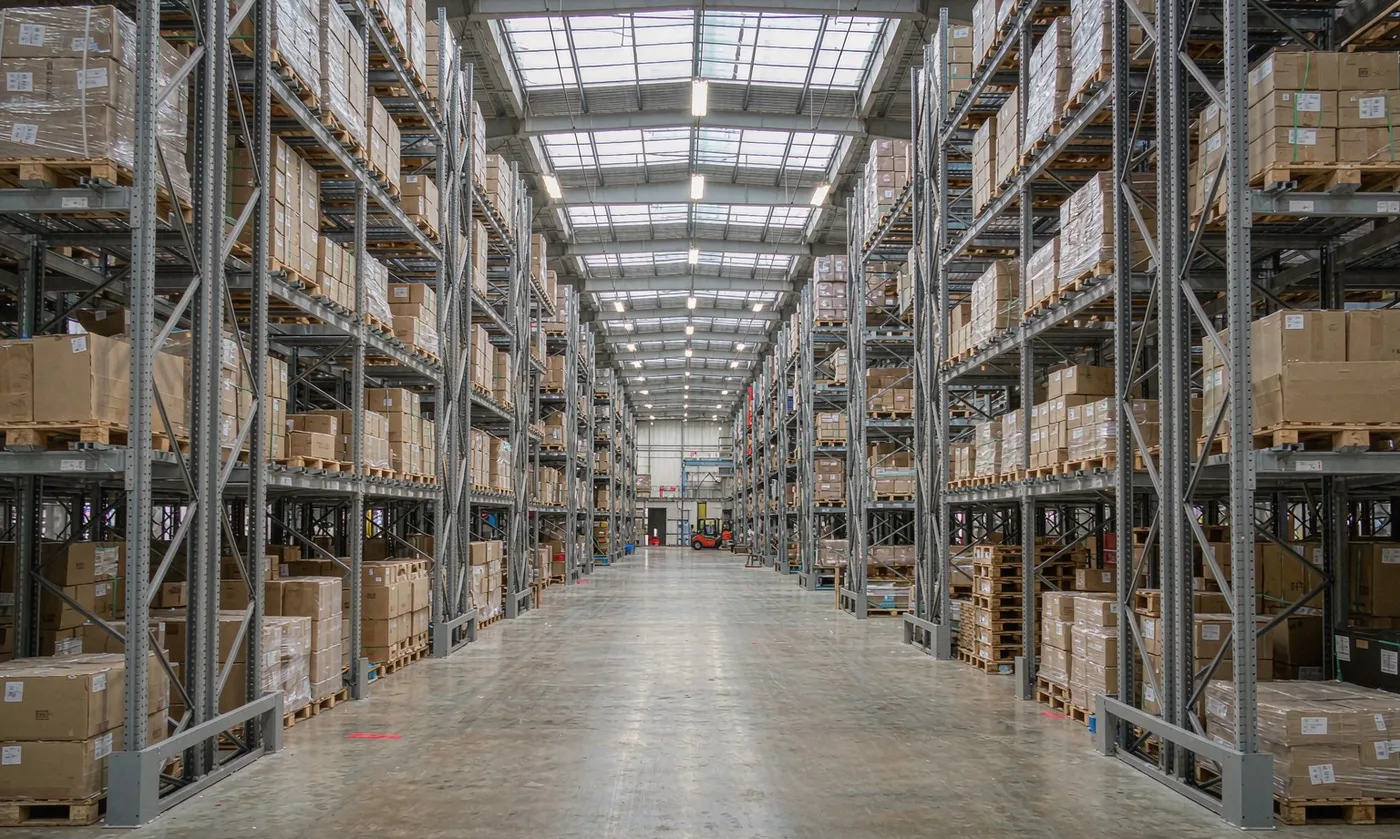
The gap between an estimated freight cost and the invoiced figure is usually made of destination charges. Terminal handling at arrival, customs clearance fees, examination costs, container demurrage, container detention, chassis and drayage charges all arise after the vessel lands and are billed by parties the buyer selected.
Demurrage and detention are the two that cause the most friction. Demurrage is charged on a container sitting at the terminal beyond its free time; detention is charged on the container held outside the terminal beyond free time. Both accrue daily and both are avoidable with prompt clearance and unloading.
- Terminal handling at arrival is charged per container or per cubic metre
- Clearance fees are charged by the broker and vary by entry complexity
- Examination costs arise when a shipment is selected for inspection
- Demurrage accrues while the container sits at the terminal
- Detention accrues while the container is held outside the terminal
Preparation is the control. Filing the entry before the vessel arrives, having the document set complete and arranging drayage in advance removes most of the exposure. Our production team releases the document set as soon as the transport document is available, which is what allows the broker to file early.
Our production team also states the expected free time in the quotation where it is known, so the brand can plan unloading capacity rather than discovering the deadline after arrival. Documentation discipline is the cheapest insurance against these charges, and it costs nothing per unit.
A broker relationship is the other control. A broker who receives the same document set in the same format on every shipment files faster and is less likely to trigger an examination through a filing error, and an examination is the single largest cause of unexpected destination cost in this category.
Building a Freight Budget per Unit
The useful output of all this is a single figure: freight cost per unit. It is derived by taking the total freight cost for a shipment and dividing by the number of units in it, and it is the number that belongs in the product cost model rather than a total freight figure.
The calculation has three inputs: chargeable quantity, rate, and units shipped. Getting the third right is what most budgets miss, because an increase in units per container reduces freight per unit without any change in the rate.
- Divide total freight by units shipped, not by cartons or containers
- Units per container is the highest-leverage input in the calculation
- Use a planning rate at the upper end of the observed range
- Include destination charges, or the figure will be optimistic
- Re-run the calculation at every re-order, since rates and volume change
Documentation supports the calculation. A quality system aligned to ISO 9001 requires the packing record to be retained, so the actual units, cartons and container reference for each shipment are available to reconcile against the freight invoice afterwards.
Our production team issues a freight worksheet with the quotation showing carton dimensions, units per carton, cartons per container, chargeable quantity and the resulting cost per unit. It is the document a brand should use to sanity-check any forwarder quote, because every input in it can be verified before the goods are built.
Reconciliation closes the loop. After each shipment the invoiced freight is compared against the worksheet and any variance is traced to rate, chargeable quantity or an unquoted destination charge, so the next quotation starts from actual figures rather than from estimates. A program that reconciles every shipment usually finds one recurring variance, and removing it is worth more than any single rate negotiation. Our production team files the reconciliation with the shipment record so the pattern is visible across a season rather than shipment by shipment.
Production capability
- SGS-verified production space of 4,950 m², 149 machines, 7 assembly lines
- Pet carrier and pet bag output since 2014 from a 137-person team
- 200,000 units shipped monthly under BSCI and ISO 9001 systems
People Also Ask
Why is pet carrier freight based on volume?
Carriers are lightweight and bulky, so volumetric weight exceeds actual weight and becomes the chargeable figure. Carton cube therefore sets the freight cost rather than product mass.
How much cube reduction is realistic?
Compressing a carrier for shipment can cut packed height materially, and nesting units can help further. Ten percent less cube is roughly ten percent less freight on the volumetric charge.
When does a full container become cheaper than LCL?
Price both and compare landed cost per unit. LCL carries consolidation and per-cubic charges that make it expensive as volume grows, while FCL charges a fixed container rate.
Is a high-cube container better for carriers?
Often yes. Pet carriers consume height rather than payload, so the extra internal height of a high-cube box converts directly into additional units.
What are demurrage and detention?
Demurrage is charged on a container sitting at the terminal beyond free time; detention is charged while the container is held outside the terminal. Both accrue daily and both are avoidable with early clearance.
Should samples go by air or courier?
Courier is usually cheaper for small parcels. Air freight becomes relevant for larger urgent shipments, and for replenishment only where the stockout cost is quantified.
Frequently Asked Questions
What is chargeable weight?
The greater of actual gross weight and volumetric weight. For pet carriers the volumetric figure almost always governs, which is why cube reduction lowers freight directly.
How is volumetric weight calculated?
Volume is converted to a notional weight using a dimensional factor that differs by mode. Air, sea and courier each apply their own factor to the same carton.
Should cartons be sized to the product?
Preferably to a container module instead. A carton that divides evenly into the container interior leaves less unusable space than one sized around the product.
Is floor loading better than palletised loading?
Floor loading gives more units per container for a single destination. Palletising costs cube but speeds destination handling, so the choice depends on warehouse capability.
How many units fit in a container?
It depends entirely on carton dimensions and the loading plan. Our production team states units per carton and cartons per container on the quotation so the figure is calculated rather than estimated.
Why do LCL shipments cost more per unit?
Consolidation and deconsolidation fees plus a per-cubic rate add fixed charges per shipment that a full container spreads across many more units.
Can compression damage the product?
It can crease face fabric or deform panels. Every cube reduction should be paired with a drop and compression check on the packed carton before approval.
What causes most destination charge surprises?
Charges billed by the buyer s own agent after arrival: terminal handling, clearance fees, examination costs and daily container charges.
How can demurrage be avoided?
File the entry before the vessel arrives, hold a complete document set, and arrange drayage in advance so the container leaves the terminal inside its free time.
Should freight be budgeted as a total or per unit?
Per unit. Dividing total freight by units shipped puts the figure into the product cost model and shows the effect of packing improvements.
Is air freight ever right for a seasonal build?
Rarely. It suits samples and urgent replenishment where the stockout cost is known and exceeds the premium, not routine seasonal volume.
Why should the freight worksheet come with the quotation?
Because every input, carton size, units per carton and container type, can then be verified before production, instead of being discovered when the freight invoice arrives.
Talk to QUANZHOU JUNYUAN BAGS about a pet carrier program: MOQ 500 pieces per colourway, samples in 6-10 working days, bulk production in 35-50 days under AQL 2.5 inspection.
Get a free quote Request a sample