Pet Carrier Training Treat: Reward
A training treat pouch is engineered to three requirements: single-handed access while it hangs from carrier webbing, crumb capture keeping loose fines below 2 percent by mass, and a closure that survives 5,000 open cycles. Interface specifications are 25 millimetre webbing, hook-and-loop peel above 3 newtons per 25 millimetres, MOQ 500.
Reward-treat packaging carries lighter claim exposure than its health-adjacent siblings, because training and reward describe behaviour rather than bodily function, but lighter is not none, and pretending otherwise is how a programme loses a listing. There are still three live issues: anything crossing into nutrition or condition language, the fact that these contents are food-grade items subject to food labelling rather than accessory labelling, and the practical reality that loose crumbs in a textile bag generate more complaints than any other packing fault in the line. This page concentrates on the engineering while keeping the boundary explicit. It covers what a treat pouch has to do mechanically, the attachment interface to the carrier line, portion formats, crumb and fines control, barrier for dried contents, the residual wording review, refill economics, carton planning when these ship with carriers, and finally coding and release. Terms are those of the whole accessory range: MOQ 500 pieces per colourway or print design, prototypes in 6-10 working days, bulk production 35-50 days after sample approval, final random inspection to AQL 2.5, T/T 30/70 and FOB Xiamen.
A pet bag supplier running pet carrier accessory orders at 500 pieces per colourway can consolidate several sizes into one cutting window and hold the dye lot across reorders.
What a Treat Pouch Actually Has to Do
Three requirements drive the design, and they conflict with each other in ways that decide the specification long before any question of materials.
Single-handed access comes first. A pouch hung from a strap or held at waist height has to open, delivery contents and close again while one hand manages something else entirely. Anything requiring two hands, or requiring the user to look at the closure, fails in use regardless of how well it performs on a test rig, which is why we validate closures by operating them one-handed and blind rather than merely cycling them on a machine.
Crumb containment comes second and is less glamorous but more costly. Nearly every dried format generates fines during transport: fragments produced by abrasion between units, plus surface material shed by breakage. Those fines escape a poorly designed closure, collect in the bottom of whatever bag the pouch sits in, and generate complaints about cleanliness that no amount of barrier testing will settle.
Cycle life comes third. A training pouch is opened dozens of times daily in normal use, so its closure operates hundreds of times weekly. A mechanism rated for twenty cycles is useless here even though it would be ample for a gift pack, which is why specifications distinguish between the two applications rather than using one component across both.
Balancing those three typically lands on a wider-mouth pouch with a rigid or semi-rigid collar, a wide single-track closure, and an interior finish smooth enough that fines do not cling. Each choice trades against bulk or against cost, and the trade has to be made deliberately.
The alternative format worth considering is the waist or belt pouch with a stay-open collar, which solves single-handed access almost completely and trades away some containment. Sampling both layouts during the 6-10 working day window generally costs less than committing to one and discovering its limitations later.
Two further requirements arrive late in most briefs and should be considered from the start. Lighting and visibility matter because these pouches are used in low light; a contrasting interior colour makes contents findable by feel and by eye, which is a design feature rather than a decoration. And noise matters more than buyers expect, since a crinkling film panel near a nervous animal defeats the purpose of a quiet pouch, so quiet soft-touch closures exist precisely for this reason.
Attachment Interface: Webbing, Hook-and-Loop and Clips
Where a pouch attaches to the carrier line rather than being carried independently, the interface becomes the single most important specification, because it is the part that fails and drops everything.
Webbing is the foundation. A 25 millimetre polyester webbing is the common standard, with breaking strength typically above 900 newtons and a thickness around 1.0-1.4 millimetres, and it has to be matched to whatever hardware it meets. Using narrower webbing than the hardware was designed for creates a stress concentration at the bartack that fails well below rated load.
Hook-and-loop is the second common interface and arguably the most misused. Peel strength is quoted in newtons per unit width, typically above 3 newtons per 25 millimetres for this duty, but the figure that matters more is performance after cycling: hook-and-loop loses grip as hooks deform, and a closure that starts strong and degrades quickly is worse than one starting slightly weaker and holding steady. We specify both figures and cycle test to 5,000 operations.
Clips and carabiners suit heavier pouches. Load ratings should be quoted for working load rather than for ultimate break value, and any carabiner used must be a locking type unless a deliberate decision has been made otherwise. Non-locking hardware on a moving strap releases itself over time, which is a well-documented failure pattern rather than a theoretical one.
| Interface | Key specification | Cycle life | Relative cost | Typical use |
|---|---|---|---|---|
| 25 mm webbing loop with press stud | Above 900 N break, 1.0-1.4 mm thick | 5,000 plus | 1.0 | Strap-mounted pouches |
| Hook-and-loop wrap strap | Peel above 3 N per 25 mm | 5,000 cycles | 1.2 | Belt or belt-loop mounting |
| Locking carabiner | Working load 50-150 N | Near unlimited | 1.8 | Heavier duty pouches |
| Plastic side-release buckle | Tensile above 250 N | 3,000 cycles | 1.1 | Lightweight promotional units |
| Magnetic closure flap | Holding force 3-8 N | Near unlimited | 1.6 | Silent access premium builds |
Stitching closes the interface specification. Bartack patterns at load points, stitch density of 7-9 stitches per inch, and a thread specification chosen for abrasion rather than only for strength determine whether the rated hardware values are achievable at all. A 900 newton webbing attached with six stitches will fail at a fraction of that.
Two corrective practices follow from that. Reinforcement plates spread load where a strap passes through a sewn channel, and they cost very little compared with the field failures they prevent. And every interface should be pull-tested on first articles to destruction rather than to a pass mark, because knowing the actual margin is what allows the specification to be relaxed honestly later if cost pressure arrives.
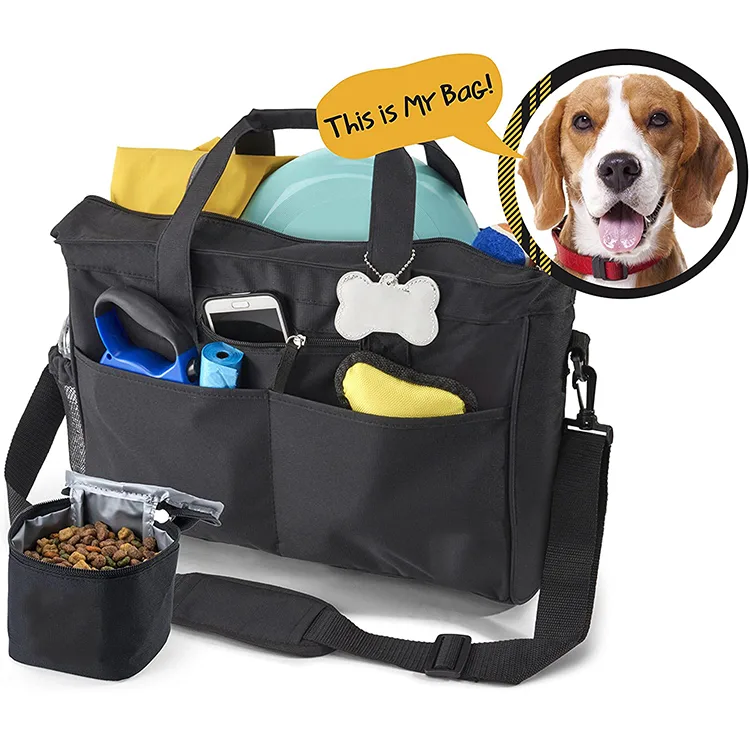
Portion Packs, Refills and Serving Architecture
Beyond the pouch itself, three serving architectures cover essentially every programme, and they differ in cost, convenience and waste in ways that are worth calculating rather than assuming.
Loose-fill refill is simplest: the buyer supplies contents in bulk and the user refills the pouch daily. It has the lowest packaging cost and no per-portion assembly step, and it forces the user to handle contents each time, which some channels view negatively for freshness handling.
Single-use portion sachets solve that neatly. Film cost is low at typically USD 0.06-0.14 per portion at volume, individual portions are protected until opened, and a set can carry mixed contents. The cost is cumulative: a sixty-day supply means sixty sachets, which can exceed the pouch cost several times over, so the economics only close where the convenience story supports a price premium.
The third architecture is a semi-rigid inner cartridge that clips into an outer pouch. It sits between the two: initial tooling cost is higher, per-refill cost is lower than single-use sachets, and the ritual is cleaner than loose filling. Programmes that sell repeat refills generally find this structure produces the strongest reorder economics, because the outer pouch becomes durable and only the insert is repurchased.
Two decisions matter regardless of architecture. First, portion size bands should be defined by unit count or by mass consistently, never switching between them across a range. Second, the pouch capacity should be stated as a volumetric figure since that is what users actually compare, with a gram reference alongside where the buyer can supply it.
Fines, Crumbs and Why Textile Consequences Decide the Spec
Crumb escape is the most underrated failure in this category, because it appears small at the bench and significant once the pouch has spent a season inside a fabric bag.
The mechanism is straightforward. Contents abrade against each other during handling and transport, producing fragments and surface dust. Anything that escapes into the carrier gathers in seams and base panels, attracts further residue, and eventually generates either odour or visible soiling. A pouch that leaks fines therefore damages the product it is sold beside.
Three controls reduce it. Barrier at the closure is first: a wide single-track engagement with a defined free zone above it, kept clean at filling, removes most escape routes. Second is interior geometry: fewer internal corners and seams means fewer places for fines to lodge and later shake loose. Third is an optional fine trap, a small mesh panel at the base of the pouch that lets particles fall into a removable base chamber rather than into the outer bag.
Measurement keeps it honest. A practical test is to fill the pouch, run a defined agitation cycle, then weigh material that escaped onto a clean collection surface underneath, expressed as a percentage of starting mass. Programmes that set a limit below roughly 2 percent tend to report markedly fewer soiling complaints than those that never measured it at all.
Material choice reinforces the controls. A smooth interior film or lining sheds particles far better than a textured woven lining, which is why many higher-performing pouches combine a textile exterior with a wipe-clean interior despite the added assembly step.
Cleanability is the companion requirement, and it belongs in the specification rather than in the care leaflet. Wide-radius internal corners, seams welded rather than sewn where possible, and an opening wide enough to admit a hand rather than only a scoop all determine whether the pouch gets cleaned regularly or abandoned dirty. Any interior surface should also be checked for compatibility with routine wiping, since some coatings mark after repeated contact with cleaning agents.
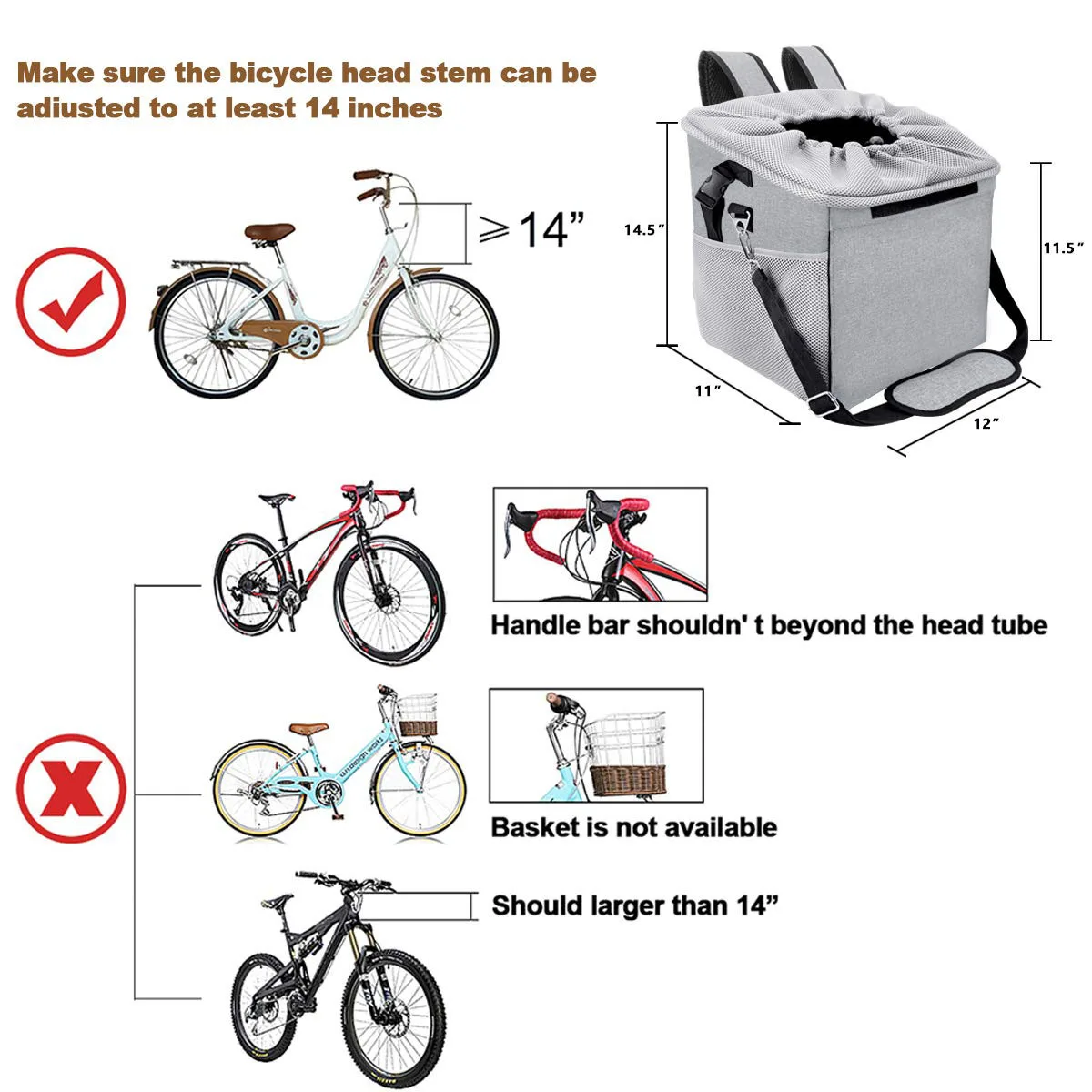
Moisture Barrier for Dried Formats
Dried treat contents sit at the easier end of barrier requirements, but easy is not absent, and the failure mode here is bidirectional rather than one-way.
Ingress is the direction everybody plans for: water entering raises water activity, and if the band rises high enough the situation stops being a texture issue and becomes a microbiological one. The arithmetic is identical to every other sensitive unit, using declared starting and acceptable ending figures to derive permitted daily change and from it the required barrier.
Egress is the direction that gets missed. Very dry formats can lose residual moisture in hot dry lanes or in dry retail environments, becoming brittle and producing exactly the fines discussed in the previous section. Ironically, a better barrier is often also the fix here, since the same film that prevents ingress also prevents loss.
Closure regularity matters more than film here. A perfect laminate with an inconsistently engaged track performs worse than a moderate laminate closed the same way every time, which is why including a mechanical closer at high unit counts pays for itself. A partially engaged closure looks identical to a fully engaged one at a glance, so no inspection regime catches it; only process repeatability does.
Finally, verify against the lane rather than the laboratory. Two to four weeks of preconditioned storage at the lane extreme, followed by activity measurement and fracture or crumb testing, replaces assumptions with data at negligible cost.
Reward Wording: Lower Risk but Not Risk-Free
Training and reward describe what the human is doing rather than what the animal experiences, which places them in a materially safer position than health-adjacent vocabulary. Three residual risks still deserve a line each.
The first is drift. Copy written about training slides easily toward describing behaviour change in the animal: words about obedience, responsiveness, focus, attention or calm carry implication even in a training context. Once a specific behavioural change is described, the same analysis applies as to any other intended-purpose statement.
The second is accidental nutritional language. Any mention of nutrients, ingredient quality descriptions that imply nutritional purpose, or comparisons framed around dietary content moves a treat into territory where different labelling obligations attach. Keeping vocabulary on object attributes and usage context avoids this entirely.
The third is testimonial risk. Buyer-supplied reviews and photographs, especially before-and-after framing, import claims written by somebody else into the same listing. Whether that risk is acceptable belongs to whoever controls the seller account, but it should be a deliberate decision rather than a surprise.
Our own file therefore contains no suggestion about what any unit accomplishes. What it does contain is a full set of physical attributes plus the same screening habit applied elsewhere: artwork runs against permitted and prohibited lists, hits are returned with neutral alternatives, listing copy gets the same treatment as printed card, and each decision is logged with a version number.
The practical outcome is a programme that can defend itself quickly. Clean files get processed; ambiguous ones generate correspondence, and every round tends to take longer than the one before it.
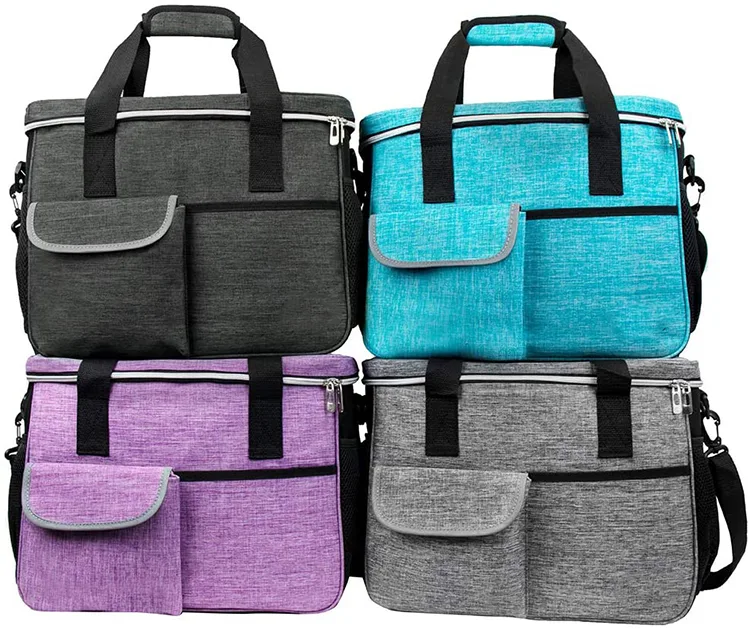
Refill Economics and Where Margin Actually Sits
Refill programmes succeed or fail on arithmetic rather than on design, and three figures decide it: acquisition cost of the outer pouch, frequency of reorder, and fulfilment cost per reorder shipment.
The outer pouch is a durable good with a long replacement cycle, so its cost should be read across the number of refills it will host rather than against a single transaction. A better-built pouch that hosts three years of refills costs less annually than a cheaper one replaced mid-season, and it produces fewer returns, which is usually the larger line in the calculation.
Reorder frequency is then largely set by serving architecture. Single-use portion systems generate the most frequent purchases but carry the highest fulfilment cost per delivered calorie, while loose bulk formats reverse both of those. The cartridge system sits between them and tends to produce the strongest repeat rates because the physical act of replacing an insert is simple and visible.
Fulfilment economics complete the picture. Small periodic shipments are priced poorly by most parcel networks, so consolidating refills into multi-month bundles frequently improves both margin and customer experience. Designing the refill count around parcel thresholds rather than around round marketing numbers is the difference between a subscription that works and one that leaks.
Two further considerations belong in the model. Packaging waste is increasingly a purchasing criterion, so refill systems that reduce material per serving have a genuine selling proposition rather than a compliance one. And compatibility: a pouch that accepts more than one refill format sells to a wider market, so designing the interface for interoperability early costs little and compounds.
Finally, model the returns line honestly. Refill programmes that promise durability and then fail generate a disproportionate share of negative reviews, because the customer has already committed to a system. Spending modestly more on the durable outer component is usually the cheapest way to protect a refill pipeline that takes a year to build and one season to lose.
Carton Planning When These Ship with the Carrier Line
Treat pouches are lightweight, compressible and often shipped inside the carrier they are sold with, which makes them the easiest accessory content to over-pack and the easiest to damage in transit.
Nested packing is the common configuration, and it needs two guard rails. First, contents should not be compressed beyond their recovered height, because compressed units that later fail to recover take a permanent set and look defective on the shelf. Second, nothing should share the cavity with a hard component: a buckle or carabiner pressed against a soft pouch for a six-week lane produces permanent deformation.
Carton sizing then follows the carrier rather than the accessory, because the carrier usually dictates the volumetric equation. Adding a pouch rarely changes the outer dimensions, which is precisely why bundles succeed commercially: the accessory travels almost free on freight while carrying a higher perceived value.
Odour still applies in mixed cartons. Reward formats are aromatic, so the double-bag rule holds: each pouch or refill goes into its own sealed bag, and the food portion of any mixed order is palletised separately from open textiles wherever shipment size permits.
Count verification closes it. Every master carton is weighed at pack-off against a nominal target with a tolerance of plus or minus 1 percent, catching missing components faster than visual counting and costing only one scale and a few seconds per carton.
Where a pouch ships nested inside a carrier, an additional check applies at pack-off: the closure should be confirmed closed and the contents removed if the destination market expects an empty unit. Nothing is more objectionable to a receiver than discovering food residue in a product they bought unused, and that is a packing discipline rather than a design question.
Coding, Release and the Evidence File
Coding these pouches is undemanding technically and important commercially, because refill programmes generate repeat enquiries and a missing lot code makes the first of them unanswerable.
Application method depends on surface. Woven exteriors take a printed label or a woven run tag; film interiors and coated surfaces take thermal transfer or inkjet with verification. Whichever route is used, adhesion is verified after humidity conditioning because condensation on a pouch interior is normal rather than exceptional in this product class.
Fields follow the standard pattern: production year and week, machine identity and, where feasible, a shift reference, with the whole code recorded against the carton map. Minimum 6-point type, on two faces where geometry allows, clear of any fold, with quiet zone around any barcode.
Inspection follows ISO 2859 general inspection level II at AQL 2.5 for major defects. Those include failed closures, hardware below rated cycle life on sampled testing, missing or illegible coding, wrong interface component, and count shortfall. Minor classes cover cosmetic variation within the signed colour window and light creasing outside print areas.
The evidence file completing each shipment carries material declarations, restriction statements against the candidate list maintained by the European Chemicals Agency, the inspection report and the carton-to-lot map. Test methods referenced in buyer protocols commonly come from ASTM International, and retained units are held three years with records kept five.
Commercial terms complete the arrangement unchanged: MOQ 500 pieces per colourway, prototypes in 6-10 working days, bulk production 35-50 days after sample approval, T/T 30 percent deposit and 70 percent before shipment, FOB Xiamen, and no release while any document remains outstanding.
Why brands source here
- Pet carrier programs run since 2014; founding team in sewn goods since 2004
- SGS-verified production floor of 4,950 m² with 137 workers across 7 lines
- Monthly capacity of 200,000 units, audited to BSCI and ISO 9001
People Also Ask
Is reward wording lower risk than health wording?
Yes, because training and reward describe what the handler does rather than what the animal experiences. Three residual risks remain: drift toward describing behaviour change, accidental nutritional language, and testimonial content importing claims written by somebody else into the listing.
Why should closures be validated one-handed?
Because a pouch hung from a strap is used while the other hand manages something else, so any closure requiring two hands or visual attention fails in real use regardless of how it performs on a cycling rig. Blind one-handed operation is the honest test.
How is hook-and-loop specified properly?
Quote peel strength per unit width, typically above 3 newtons per 25 millimetres, but also quote performance after cycling, since hooks deform and grip decays. A closure starting slightly weaker but holding steady beats one that starts strong and degrades quickly.
What causes fine escape and how is it measured?
Contents abrading in transit produce fragments and dust that escape through imperfect closures. A practical measure is to agitate a filled pouch over a clean collection surface and weigh escaped material as a percentage of starting mass, with an acceptance below roughly 2 percent.
Why do dried formats need a barrier at all?
The failure runs both ways: ingress raises water activity and can create microbiological risk, while egress in a hot dry lane makes contents brittle and generates the fines discussed elsewhere. The same film controls both directions.
Which serving architecture produces the best reorder economics?
Usually a semi-rigid cartridge that clips into a durable outer pouch. Initial tooling is higher and per-refill cost lower than single-use sachets, and the simple visible act of replacing an insert tends to produce stronger repeat rates than loose bulk filling.
Do refill programmes need different parcel planning?
They do, because small periodic shipments are priced poorly by parcel networks. Consolidating refills into multi-month bundles designed around parcel thresholds improves both margin and customer experience compared with monthly dispatch.
Frequently Asked Questions
What is the MOQ for treat pouch programmes?
MOQ is 500 pieces per colourway and print design. Hardware such as carabiners, buckles and webbing carries separate supplier minimums, each quoted individually so that landed cost comparisons remain transparent.
Do you supply the treats themselves?
No. Contents belong to whoever produces and markets the food item, along with ingredient declarations and any nutritional content. We build the pouch, closure, hardware interface, coding and packing, and can insert supplied units under a signed reconciliation sheet.
How long does sampling take?
Prototypes arrive in 6-10 working days from signed drawings, dieline approval and colour references, including cycle test results, one-handed operation assessment and photographs of the packed configuration.
What is the bulk lead time?
Bulk production runs 35-50 days after written sample approval and deposit. Programs using bought-in hardware or laminate structures usually sit toward the upper end of the window.
Can the pouch attach to existing carrier webbing?
Generally yes, provided webbing width and hardware are matched. A 25 millimetre webbing against hardware designed for it avoids the stress concentration at the bartack that causes failures well below rated load.
Which inspection acceptance level applies?
ISO 2859 general inspection level II with AQL 2.5 for major defects and AQL 4.0 for minor. Failed closures, hardware below rated cycle life on sampled testing, illegible coding and count shortfall are all major.
Which chemical declarations accompany shipments?
Material composition declarations plus restriction statements against the candidate list maintained by the European Chemicals Agency, with California screening against the list published by the Office of Environmental Health Hazard Assessment where relevant.
How does the pouch survive humidity for coding?
Adhesion is verified after humidity conditioning rather than assumed, because condensation inside a pouch carrying food contents is normal rather than exceptional. Direct print on film generally outperforms paper labels for exactly this reason.
Can these ship inside the carrier carton?
Yes, and most do, since adding a pouch rarely changes outer carton dimensions while raising perceived value. Guard rails apply: no compression beyond recovered height, no hard hardware against soft surfaces in the same cavity, and separate inner bagging.
How is odour handled in mixed cartons?
Each pouch or refill travels in its own sealed inner bag, and the portion carrying aromatic contents is palletised separately from open textiles wherever shipment size permits. Loading aromatic cartons near container doors also reduces build-up.
Are refills designed for reuse and waste reduction?
Refill programmes reduce material per serving by design, which is a genuine selling proposition rather than only a compliance posture. Compatibility with more than one refill format widens the addressable market at little extra cost.
What payment and delivery terms apply?
T/T 30 percent deposit and 70 percent before shipment, FOB Xiamen, with a full document set per shipment, retained units for three years and records kept for five.
Talk to QUANZHOU JUNYUAN BAGS about a pet carrier program: MOQ 500 pieces per colourway, samples in 6-10 working days, bulk production in 35-50 days under AQL 2.5 inspection.
Get a free quote Request a sample