Dog Carrier Backpack MOQ: Minimum Order Quantity Guide
The standard MOQ for a dog carrier backpack is 500 pieces per colourway, and the number is set by material economics rather than by sewing capacity. A fabric dye lot needs 300 to 500 metres, a hardware plating lot needs 5,000 to 10,000 pieces, and a woven label run needs 1,000. Below 500 per colourway, stock materials carry a 9 to 14 percent premium.
Executive summary. This guide explains where minimum order quantities come from, which component sets the binding constraint on a given programme, and how to structure an order when 500 pieces per colourway does not fit the plan. The figure is not arbitrary: it is the point at which a dye lot, a plating lot and a print run all become economic at the same time, and it is therefore different for a stock-colour programme than for a custom one. Development samples run 6-10 working days whether or not the order clears MOQ 500 per colourway, bulk production runs 35-50 days after approval, and release is under AQL 2.5 inspection with critical defects at zero acceptance. Buyers working below the standard MOQ have three legitimate options and one bad one, and the sections below set out the cost of each. The objective is not to negotiate the number down; it is to structure the order so the number stops binding. The sections that follow map every component minimum, show the price curve by tier, and set out the three legitimate ways to run below the standard quantity.
Most dog carrier backpack buyers choose between pet carrier OEM and pet carrier ODM on one question: who owns the pattern and the tooling once the programme is approved.
Why MOQ Exists: The Three Material Constraints Behind the Number
A minimum order quantity is not a sales policy. It is the arithmetic of three upstream processes that have their own economics, and a supplier that ignores them either absorbs a loss or quietly recovers it elsewhere in the price. Understanding which of the three is binding on a particular programme is what turns an MOQ conversation from a negotiation into a design decision.
The first constraint is fabric. A mill will dye to a specified colour, but a dye lot has a minimum, typically 300 to 500 metres depending on the construction and the width. Below that minimum the colour is either not produced or is produced at a surcharge that recovers the machine setup. At a consumption of roughly 1.8 metres per size M unit, 500 metres covers about 275 units, which is why a 500 piece colourway is the smallest quantity that cleans up a standard lot with a margin for cutting waste.
The second constraint is hardware. Plating, anodising and custom colour injection all run in batches. A plating bath is economical at 5,000 to 10,000 pieces of a given finish, and a custom injection colour carries a similar minimum. With 22 to 34 hardware items per carrier, a 500 unit order consumes 11,000 to 17,000 pieces across all categories, which is comfortably above the plating minimum in black or grey but not in a custom colour.
The third constraint is printing and labelling. Woven labels carry a 1,000 piece minimum, printed transfers a 5,000 minimum, and a printed carton a 500 to 1,000 minimum. These are small in value but they are hard minimums, and they are the reason a first order is often more expensive per unit than the repeat that follows.
Sewing capacity is not the constraint at all. A line producing pet carriers runs a takt of roughly 15 minutes per unit, so 500 pieces is under three shifts of work. When a supplier quotes a high MOQ for capacity reasons on a soft goods product, the buyer should ask which material lot is actually driving it, because that is the answer that will be true.
MOQ by Component: Where the Binding Constraint Sits
Every component on the bill of materials has its own minimum, and the highest one relative to consumption per unit is the binding constraint. Mapping them out takes an hour and it changes the order structure more often than any price negotiation. The table below uses a typical size M carrier with 1.8 metres of fabric, 28 hardware items, 1.1 metres of webbing and 0.9 square metres of foam.
| Component | Supplier minimum | Per unit consumption | Units to clear the minimum |
|---|---|---|---|
| Shell fabric, dyed to order | 300 to 500 m | 1.8 m | 170 to 280 |
| Lining fabric, stock | No minimum | 1.2 m | 0 |
| Hardware, standard finish | No minimum | 28 pieces | 0 |
| Hardware, custom plating | 5,000 to 10,000 pieces | 28 pieces | 180 to 360 |
| Custom injection colour | 10,000 pieces | 18 pieces | 555 |
| Woven label | 1,000 pieces | 3 pieces | 335 |
| Printed transfer | 5,000 pieces | 1 piece | 5,000 |
| Webbing, custom colour | 2,000 m | 1.1 m | 1,820 |
| Printed carton | 500 to 1,000 pieces | 0.1 cartons | 5,000 to 10,000 |
Two rows in that table surprise buyers. Custom webbing colour clears its minimum only at about 1,820 units, which makes it one of the most expensive customisations available relative to its visual impact. And a printed carton, which looks like a packaging detail, carries the largest unit requirement of anything on the list, which is why first orders ship in a plain shipper far more often than brands expect.
The practical method is simple. List every custom element, find the highest unit requirement among them, and treat that as the real MOQ for the programme. On a fully custom build that number is often 1,500 to 2,000 rather than 500, and discovering it at quotation stage is far cheaper than discovering it when the mill asks for the balance. Buyers should ask for that mapping in writing as part of the quotation, since it is the only document that shows why the number is what it is.
The Price Curve Across Quantity Tiers
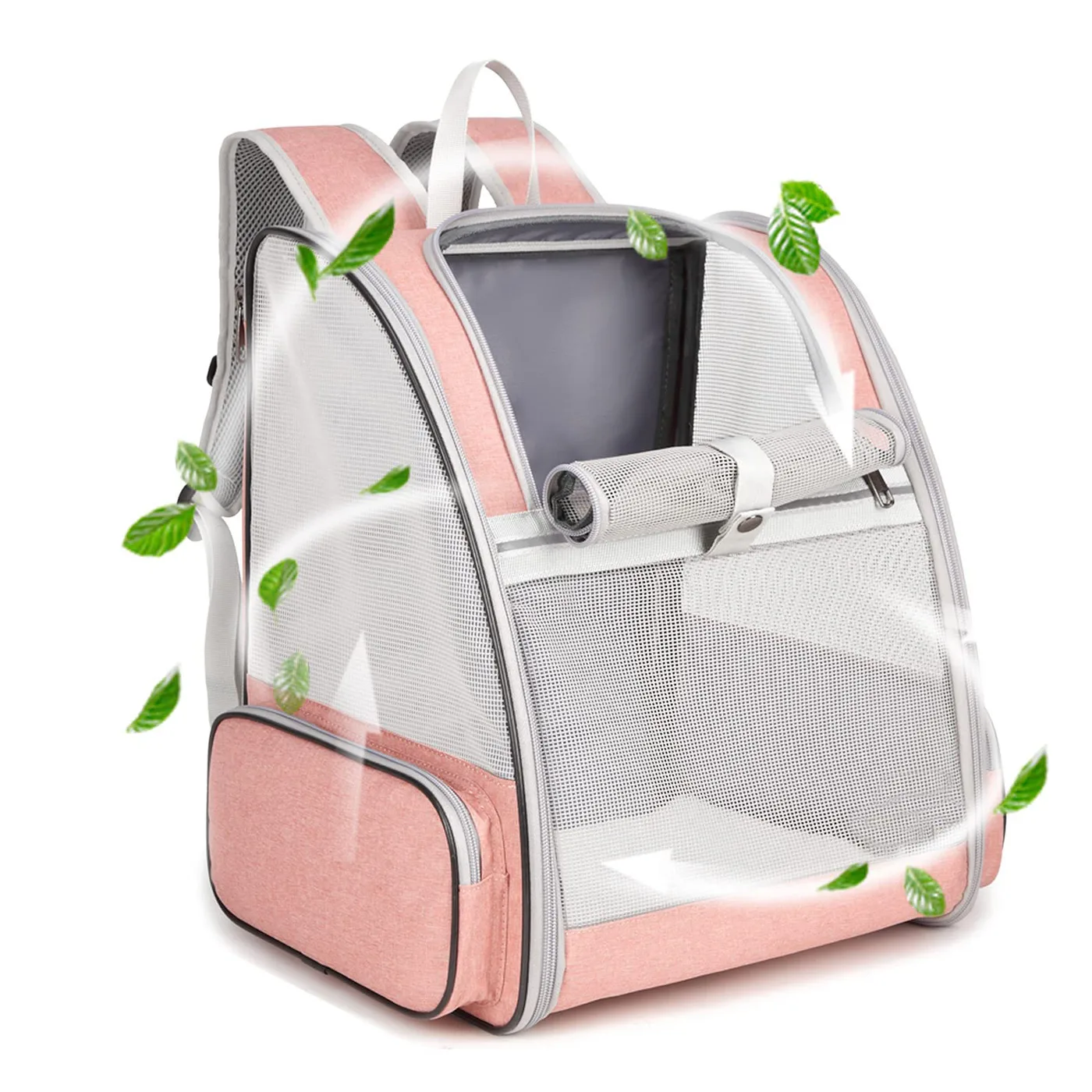
Unit price falls with quantity, but not smoothly and not for a single reason. Three effects stack: material price breaks at mill minimums, tooling amortisation across the order, and line efficiency as the run lengthens. Understanding which effect is active at which tier tells a buyer where the real value sits.
| Order quantity | Indicative FOB index | Active effect | What changes |
|---|---|---|---|
| 500 | 100 | Baseline | Stock or single dye lot, catalogue hardware |
| 1,000 | 94 | Hardware price break | Plating lot clears, packaging run clears |
| 2,500 | 88 | Fabric price break | Mill weaves to order, GSM tolerance tightens |
| 5,000 | 83 | Tooling amortisation | Custom hardware becomes economic |
| 10,000 | 79 | Line dedication | Continuous run, no changeover between colourways |
| 20,000 | 76 | Material contracting | Fabric bought on contract rather than per lot |
The steepest part of the curve sits between 500 and 2,500, where the hardware and fabric price breaks occur. Above 5,000 the curve flattens, because the remaining costs are labour and material, both of which scale linearly. A buyer deciding whether to double an order should look at the curve between the two quantities under consideration rather than at the headline discount.
Amortisation deserves separate treatment because it is the only effect that disappears on a repeat order. A 6,000 USD tooling package is 1.20 USD per unit at 5,000 pieces and 0.30 USD at 20,000, but it is zero on the second order of the same product. That is why a two-season view produces better decisions than a single-order one, and why a supplier will price a programme differently if it knows the second order is coming.
There is also a cost to ordering too much. Inventory carrying cost runs 18 to 25 percent per year for imported soft goods once capital, storage and obsolescence are counted, so a 4 percent unit saving bought with nine months of extra inventory is a loss. The right order size is the one that clears the next price break without pushing stock beyond about two seasons of expected sale.
Colourway, Size and SKU Strategy Under MOQ
MOQ is quoted per colourway, and that is the detail that shapes a programme. Four colourways at 500 pieces each is a 2,000 unit commitment, which is four times the working capital of a single colourway at 500. The choice is rarely about the supplier; it is about how much variety the brand can carry.
Three structures work. The first is one colourway with maximum depth, which reaches the best price tier and is correct for a first programme testing demand. The second is two colourways at 500 each, which gives retail presence without doubling the commitment and still clears the fabric lot per colour. The third is a shared-shell approach, where the body fabric is a single dye lot across all colourways and the colour differentiation moves to the trim, the webbing and the zipper tape, which carry much smaller minimums.
- Single colourway, deep: best unit price, lowest risk, weakest shelf presence.
- Two colourways at MOQ: balanced, the most common structure for a second season.
- Shared shell, varied trim: three or more colourways on one dye lot, the most efficient variety.
- Size split: MOQ applies per colourway, not per size, so sizes can be split freely inside the 500.
- Avoid: four or more colourways on a first order, which ties up capital before demand is known.
The size point is worth emphasising because it is frequently misunderstood. The 500 piece minimum applies to the colourway, and within that quantity the size split is the buyers choice. A programme can order 500 units across five sizes at 100 each, and the only consequence is that the cutting marker has to be graded across the run, which is standard practice and carries no surcharge.
Where a brand genuinely needs four or more colourways, the shared-shell approach is usually the answer. Dyeing one body fabric and varying the trim produces visual range at a fraction of the material commitment, and it also simplifies the production run because the line does not change fabric between colourways.
A worked example makes the arithmetic concrete. A brand planning 1,500 units across three colourways at 500 each commits to three dye lots, three plating lots and three label runs. The same 1,500 units as one body colour with three trim variations commits to one dye lot and one plating lot, and the saving on material minimums alone is typically 5 to 8 percent of unit cost, with the added benefit that the line runs the whole quantity without a fabric changeover.
Working Below MOQ: Three Legitimate Options and One Bad One
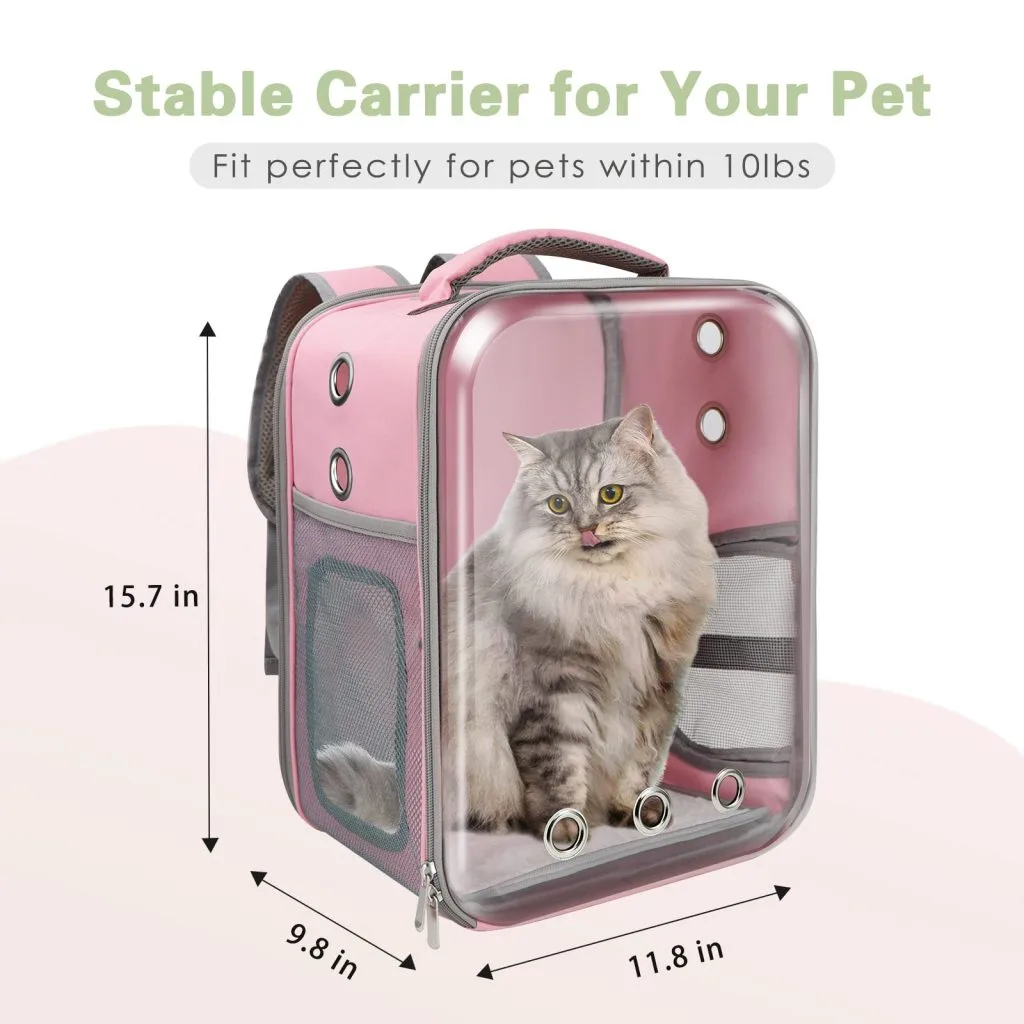
Sometimes 500 pieces per colourway genuinely does not fit, usually on a market test or a capsule collection. There are three legitimate ways to handle that, and one that should be avoided.
The first option is the stock colourway. Buying from the mills stock shade range removes the dye lot minimum entirely, and the programme can run at 200 to 300 pieces. The cost is a material premium of 9 to 14 percent and a restriction to the shades on the stock card, which for a test order is usually an acceptable trade.
The second option is consolidation across SKUs. If a brand is ordering three different carrier sizes from the same supplier in the same season, the colour can often be dyed once and shared across them, so the combined quantity clears the minimum even though no single SKU does. This requires the orders to be placed together, which is a planning decision rather than a supplier concession.
The third option is to buy into a running production window. If the supplier already has a dye lot in that colour for another programme, a small quantity can be added to it. This is opportunistic and cannot be planned, but it is worth asking about, and it is the reason to ask the supplier what colours are currently running before finalising a small order.
The option to avoid is pressuring for a below-minimum quantity at the standard price. What happens in practice is not a concession; it is a substitution. The supplier meets the quantity by buying stock material at a premium, and it recovers the premium either in the price or in a specification change the buyer does not notice until the sample arrives. If the quantity must be small, pay for it explicitly and keep the specification intact.
Customisation Elements and Their Own Minimums
Every custom element on a carrier carries a minimum, and they vary by two orders of magnitude. Knowing them lets a buyer spend the customisation budget where it has the most effect per unit of commitment.
Branding is the cheapest to customise. A woven label at a 1,000 piece minimum is 0.06 to 0.12 USD per unit and it is the element customers actually look for. A printed transfer is cheaper per unit but carries a 5,000 minimum and delaminates earlier, which makes it the wrong choice on a small programme despite the apparent saving.
Hardware is the most expensive to customise and the least visible. A custom buckle needs a 3,500 to 6,000 USD tool and a 10,000 piece minimum. On a 500 unit order that is 7 to 12 USD of tooling per unit before a single cent of hardware cost, which no amount of brand value justifies. The exception is the zipper pull, which can often be customised with a low-cost mould and a modest minimum, and which is the one hardware item a customer handles every time they use the product.
- Woven label: 1,000 minimum, 0.06 to 0.12 USD per unit, the best value customisation available.
- Zipper pull: low tool cost, reasonable minimum, high visibility in use.
- Custom webbing colour: 2,000 m minimum, about 1,820 units to clear, poor value.
- Custom buckle: 3,500 to 6,000 USD tool plus 10,000 pieces, viable above 5,000 units.
- Printed carton: 500 to 1,000 minimum, viable from the second order onward.
Substance documentation interacts with customisation in one specific way that catches buyers out. A custom colour or a custom coating changes the material profile, and the change requires a screening round before the goods can be documented for the destination market. Where the market requires certification, that screening is verified against frameworks such as OEKO-TEX and it adds 3 to 5 working days. It is cheap in absolute terms and expensive if discovered late, so it belongs on the critical path from the first conversation. The same logic applies to any custom element that changes an input material: the screening is triggered by the change, not by the quantity, so a 300 unit order with a custom coating carries the same documentation burden as a 30,000 unit one.
Negotiating MOQ Without Damaging the Unit Price
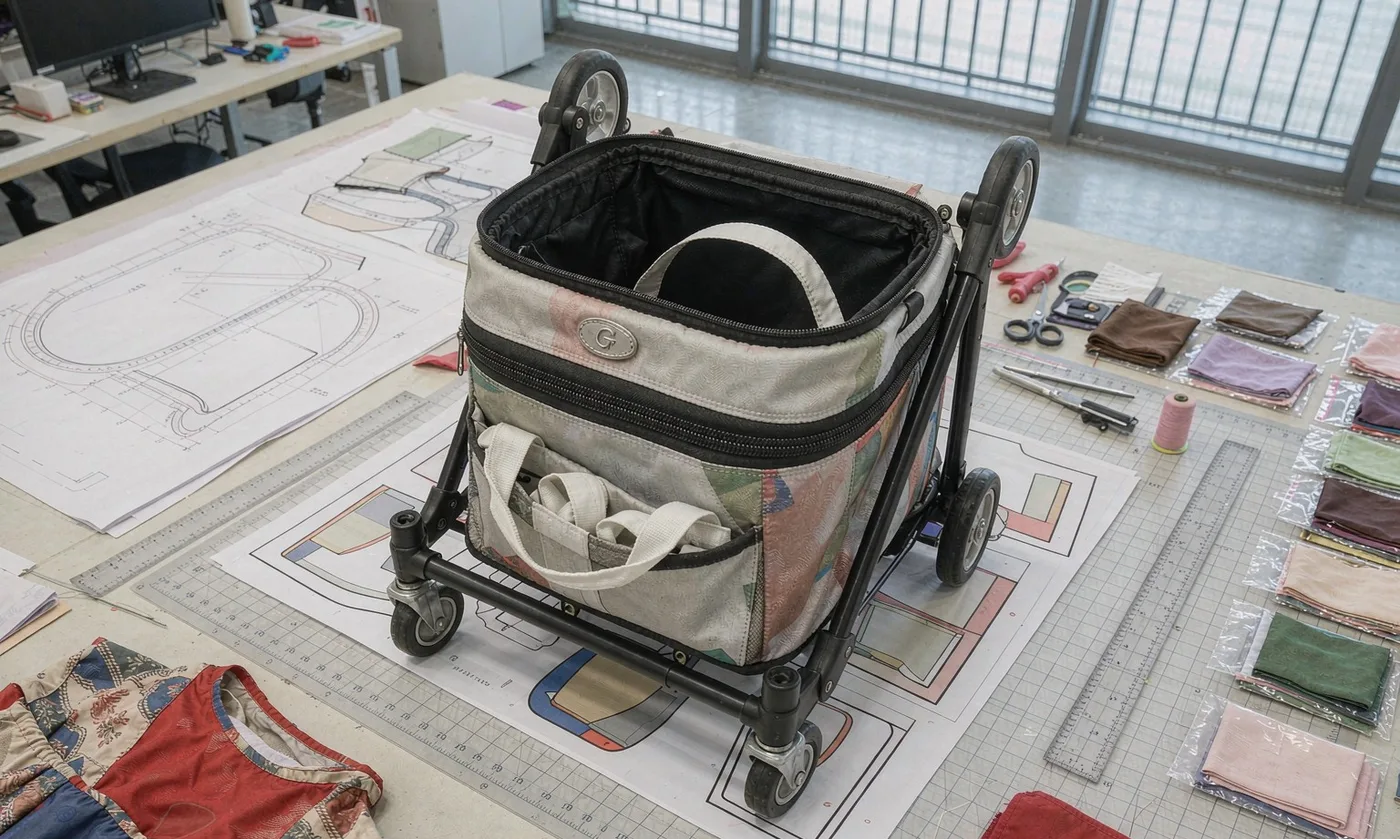
MOQ negotiation works when it is framed as a structural question rather than as a request for a concession. Four framings produce results, and all of them give the supplier something in return.
The first is the annual commitment. A buyer who commits to 3,000 units across the year in three releases can reasonably ask for the first release to be 500 rather than 1,000, because the supplier can plan the dye lot once and cut across three orders. The commitment is the consideration, and it costs the buyer nothing beyond honesty about intentions.
The second is the colourway reduction. A buyer who wants 1,500 units can ask for 500 per colourway across three colourways, or 750 across two. The latter produces a better unit price at the same total, which is often a better outcome than winning a lower MOQ at a worse price.
The third is the shared material lot. Where a buyer has two products using the same fabric, asking for them to be dyed together is a request the supplier can usually grant, and it benefits both sides through a single larger lot.
The fourth is the timing concession. A supplier will often accept a smaller quantity if it can be scheduled into a quieter production window, because the alternative is idle line time. Offering flexibility on the delivery date in exchange for a lower MOQ is the most reliable trade available, and it is the one buyers least often think to offer.
What does not work is the unconditional request. A supplier asked to halve the MOQ with nothing offered in return has only three responses, and two of them involve recovering the difference somewhere in the specification. The negotiation should always be a trade, and the currency is usually timing, commitment or structure rather than price.
Planning Orders Around MOQ: A Practical Calendar
MOQ interacts with the calendar in a way that is easy to miss. A 500 piece colourway is about three shifts of sewing, so the production window is set by material procurement rather than by the order size. That means a small order does not ship proportionally faster, and a buyer should not expect a 500 unit order to arrive in half the time of a 1,000 unit one.
The calendar that works is built backwards from the launch date. Allow 35-50 days for bulk production, 6-10 working days for sampling plus freight for each round, 3 to 5 banking days for the deposit transfer, 22 to 38 days for ocean transit and 3 to 7 working days for clearance. Working backwards from a fixed launch date, the order should be placed roughly 16 to 20 weeks ahead, and the specification should be locked before that.
Material reservation is the action that protects the calendar. Reserving fabric and hardware at sample approval rather than at order confirmation moves the programme to the short end of the bulk window, because the mill slot is already held. The reservation is normally secured against a refundable deposit, and it is the single most effective schedule lever available on a small order.
Finally, plan the second order while the first is in production, not after it ships. The second order benefits from amortised tooling, from a material lot that can be repeated, and from a line that has already climbed the learning curve, and all three require the supplier to know the order is coming. Programmes that signal continuity get earlier deliveries and better prices; programmes that reorder opportunistically get neither.
Record keeping is the quiet enabler of all of this. Because the quality system is maintained to ISO 9001, a repeat order can reference the previous lot for material, tooling and test data, which is what allows the second order to skip parts of the validation cycle. Without that reference the supplier has to treat the repeat as a new programme, and the buyer pays for the same engineering work twice.
Production capability
- SGS-verified production space of 4,950 m², 149 machines, 7 assembly lines
- Pet carrier and pet bag output since 2014 from a 137-person team
- 200,000 units shipped monthly under BSCI and ISO 9001 systems
People Also Ask
Why is the MOQ for pet carriers 500 pieces?
Because a fabric dye lot needs 300 to 500 metres, which covers roughly 275 size M units with cutting waste, and a hardware plating lot needs 5,000 to 10,000 pieces. 500 per colourway is the smallest quantity that clears both at the same time.
Does MOQ apply per size or per colourway?
Per colourway. Sizes can be split freely inside the 500, so a programme can order 100 units each across five sizes with no surcharge, since graded markers are standard practice.
Can I order fewer than 500 pieces?
Yes, through a stock colourway at a 9 to 14 percent material premium, by consolidating across SKUs on one dye lot, or by adding to a colour already running. Pressuring for a lower MOQ at the standard price usually produces a quiet specification change instead.
How much does unit price fall with quantity?
About 6 percent from 500 to 1,000 pieces, another 6 percent to 2,500 and a further 5 percent to 5,000, then the curve flattens. The steepest part sits between 500 and 2,500 where the hardware and fabric breaks occur.
What is the most expensive thing to customise?
A custom buckle, at 3,500 to 6,000 USD of tooling plus a 10,000 piece minimum. On a 500 unit order that is 7 to 12 USD per unit of tooling alone, which is why hardware customisation is deferred to larger programmes.
What is the cheapest way to brand a small order?
A woven label, at a 1,000 piece minimum and 0.06 to 0.12 USD per unit. Printed transfers are cheaper per unit but carry a 5,000 minimum and delaminate earlier.
Does a small order ship faster?
No. Production time is set by material procurement rather than by sewing, since 500 pieces is under three shifts of line time. A 500 unit order does not arrive in half the time of a 1,000 unit one.
Frequently Asked Questions
What sets the minimum order quantity on a pet carrier?
Three upstream processes: the fabric dye lot at 300 to 500 metres, the hardware plating lot at 5,000 to 10,000 pieces, and the print and label runs. Sewing capacity is not the constraint.
Which component is usually the binding constraint?
It depends on what is custom. On a stock programme no component binds. On a fully custom build it is often custom webbing at about 1,820 units to clear, or a printed carton at 5,000 to 10,000 units.
How is MOQ affected by the number of colourways?
It multiplies. Four colourways at 500 pieces each is a 2,000 unit commitment. The efficient alternative is a shared shell, where one dye lot covers all colourways and the differentiation moves to trim, webbing and zipper tape.
Can sizes be mixed inside one MOQ?
Yes. The minimum applies per colourway and the size split inside it is the buyers choice. Grading the marker across sizes carries no surcharge.
What is the real cost of ordering below MOQ?
A 9 to 14 percent material premium when buying stock colour, or a specification substitution if the supplier absorbs the difference. Paying the premium explicitly is almost always cheaper than the substitution.
How do I negotiate a lower MOQ?
Offer a trade: an annual volume commitment across releases, a reduction in colourway count, a shared material lot across two products, or flexibility on the delivery date so the order fills a quiet production window.
Does tooling cost appear in the unit price?
Yes, amortised across the first order. A 6,000 USD package is 1.20 USD per unit at 5,000 pieces and 0.30 USD at 20,000, and it drops to zero on a repeat order of the same product.
When should fabric be reserved?
At sample approval rather than at order confirmation. Reserving against a refundable deposit holds the mill slot and moves the programme to the short end of the 35-50 day bulk window.
How much inventory carrying cost should be assumed?
18 to 25 percent per year for imported soft goods once capital, storage and obsolescence are counted. A 4 percent unit saving bought with nine months of extra stock is a net loss.
Does a custom colour change the compliance work?
Yes. A custom colour or coating changes the material profile and requires a screening round before the goods can be documented, which adds 3 to 5 working days and should be planned in from the start.
Why is the price curve flat above 5,000 units?
Because the remaining costs are labour and material, both of which scale linearly. The step changes sit at the hardware and fabric price breaks below that level.
Should the second order be planned during the first?
Yes. Tooling amortisation, repeatable material lots and a line past its learning curve all require the supplier to know the order is coming, and they are worth 4 to 6 percent on the repeat.
How far ahead should an order be placed?
Roughly 16 to 20 weeks before a fixed launch date, allowing for sampling rounds, the deposit transfer, 35-50 days of bulk production, 22 to 38 days of ocean transit and 3 to 7 working days of clearance.
Talk to QUANZHOU JUNYUAN BAGS about a pet carrier program: MOQ 500 pieces per colourway, samples in 6-10 working days, bulk production in 35-50 days under AQL 2.5 inspection.
Get a free quote Request a sample